differences between light and brown sugar
What's the Difference Between Dark and Light Brown Sugar?
By Renee Shelton
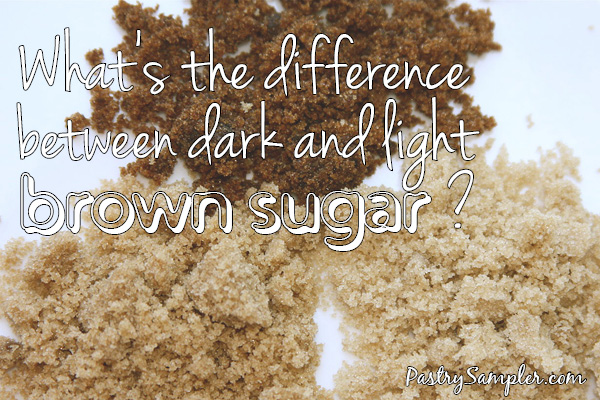
Are dark brown and light brown sugar the same thing? Yes, it is the amount of molasses present in the brown sugar that contributes to the darker color and richer flavor of the dark brown sugar. The book, Professional Baking, goes further with the definition:
Brown sugar...contains varying amounts of caramel, molasses, and other impurities, which give it its characteristic flavor. The darker grades contain more of these impurities.
Brown sugar comes from sugar cane. Light brown sugar is popular for cakes and other desserts where a more fuller flavor is desired over a white sugar, but where the color of the sugar would not be undesirable (such as a very white cake, for example). Dark brown sugar has a stronger flavor, is darker in color, and is great for gingerbread, chutneys, and fruit cakes.
Baking with Brown Sugar
Measuring:
Brown sugar is a moist sugar and must be compacted when used. To measure, scoop some into a measuring cup and press down until it compact, rescooping and pressing until the measure is level.
The presence of acid:
All brown sugar contains a small amount of acid. When any brown sugar is combined with baking soda, it provides some leavening in baked goods. From the baking experts at King Arthur Flour, for every 2 teaspoons of baking powder, 1/2 teaspoon of baking soda can be substituted when the baking soda is combined with 3/4 cup of brown sugar in the recipe.
Sources:
From the recipe files of Renee Shelton.
"Quick Bread Primer." King Arthur Flour. King Arthur Flour, 2014. Web. 29 Aug. 2014.
Gisslen, Wayne. Professional Baking. New York: John Wiley, 1985.
This article was first published on pastrysampler.com on August 29, 2014. It was updated on September 30, 2020.
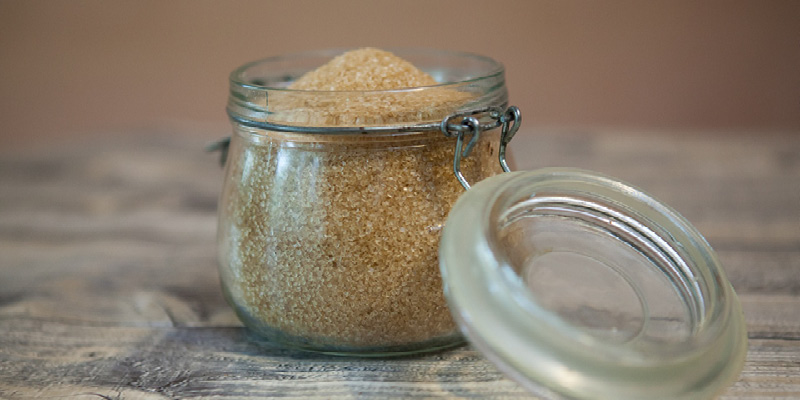
Brown sugar top image by Gabriela Sanda from Pixabay